
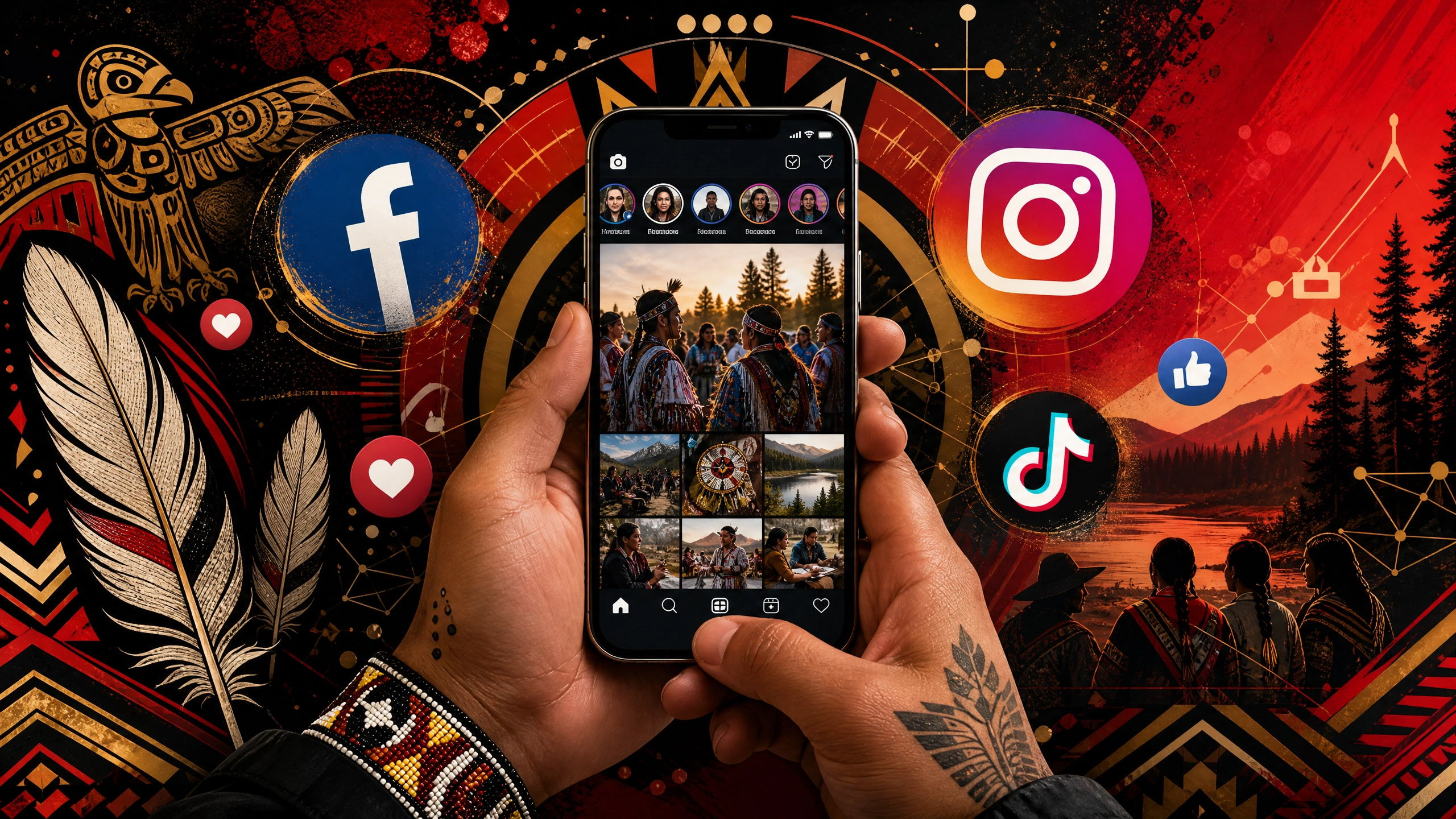
5 Social Media Strategies That Actually Work for Indigenous Organizations
Building an authentic social media presence that resonates with your community while reaching new audiences requires a delicate balance. For Indigenous organizations and First Nations bands, social media is not just a marketing tool; it is a vital platform for community engagement, storytelling, and cultural preservation. Here are five strategies that actually work.
1. Prioritize Authentic Storytelling
Indigenous cultures have a rich tradition of storytelling, and social media is the modern campfire. Authentic digital storytelling allows organizations to define their identity and share their values. Instead of purely promotional content, focus on sharing the “why” behind your organization. Highlight community members, share historical context, and celebrate cultural milestones.
Authenticity builds trust and fosters a deeper emotional connection with your audience. A post that shares the story of a community elder’s wisdom or a young person’s achievement will consistently outperform a generic promotional graphic. The most powerful social media content is content that could only come from your community — unique, personal, and real.
2. Engage Consistently with the Community
Social media is a two-way street. For First Nations communities, platforms like Facebook serve as central hubs for news, events, and discussions. To effectively engage, organizations must be active participants rather than just broadcasters. Respond to comments, ask for community input, and create spaces for dialogue.
Consistent, transparent communication helps build a strong foundation of trust between the organization and the community. This is especially important for off-reserve members who rely on social media to stay connected to home. Posting regular updates — even brief ones — signals that leadership is accessible and engaged.
3. Utilize Culturally Relevant Visuals
Visual content is paramount on social media. Use images and graphics that reflect Indigenous art, landscapes, and people. Incorporating traditional designs, colors, and motifs not only makes your feed visually appealing but also reinforces cultural pride. Ensure that all visual representations are respectful and accurately depict the community’s heritage.
Consider commissioning local Indigenous artists to create custom graphics for your social media channels. This not only ensures cultural authenticity but also supports local talent and reinforces the community’s creative economy.
4. Leverage Video Content
Video is one of the most engaging formats across all social platforms. Whether it is a short reel on Instagram, a live stream of a community event on Facebook, or a longer documentary-style video on YouTube, video content captures attention effectively. Use video to showcase traditional practices, interview elders, or provide updates from leadership.
Live streaming, in particular, is an excellent way to include members who live off-reserve. A live broadcast of a band council meeting or a community celebration creates a sense of real-time connection that no other format can replicate.
5. Educate and Advocate
Social media is a powerful advocacy tool. Use your platforms to educate the broader public about Indigenous issues, rights, and history. By sharing informative content, your organization can dispel myths and promote understanding. Advocacy campaigns can mobilize support for important causes and amplify the voices of the community on a national or global scale.
Content that educates — such as posts about treaty rights, land acknowledgements, or the history of residential schools — positions your organization as a trusted and authoritative voice. It also attracts allies and supporters who can amplify your message further
Conclusion
By rooting social media strategies in authenticity, community engagement, and cultural pride, Indigenous organizations can harness the power of digital platforms to strengthen their communities and share their unique narratives with the world. Consistency is key — show up regularly, be genuine, and let your community’s story speak for itself.


